Emergency Water Storage
How much water per person, how to store it and when to rotate it.
Storms, power outages and boil-water notices, handled with a plan instead of panic. Pick where to start and follow clear steps, with every number linked to Ready.gov, the CDC or USDA.
Start here
Most households get the most peace of mind, fastest, from water, a basic kit and a plan the whole family knows. Pick the path that matches what worries you this week; each one puts the guides in the order that helps most.
Nothing packed, no meeting place, and a pet who would need food, records and a carrier too.
The lights go out, the fridge warms up, the kids are cold and the well pump has stopped.
How much water to store, what food lasts, and how to can, store and grow food without risking anyone's health.
From the blog
Every guide has a numbered plan, real numbers from official sources, a table, troubleshooting for when things don't go to plan, and clear signs that it's time to call 911, your utility or a local expert.
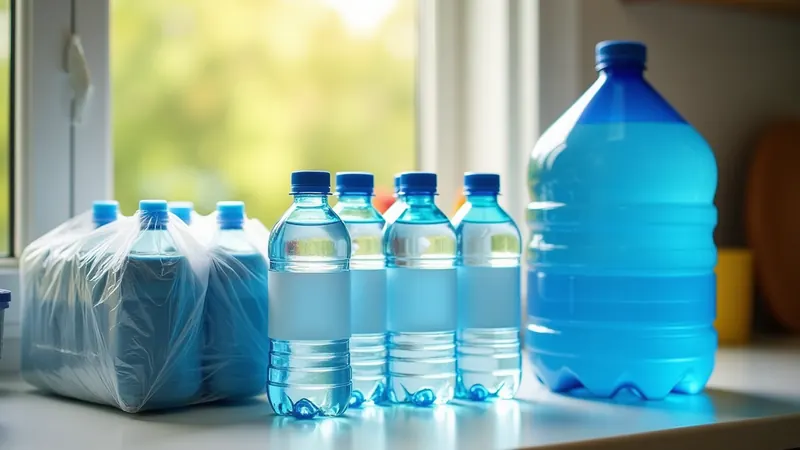
How much water per person, how to store it and when to rotate it.
Before, during and after: a calm checklist with generator safety.
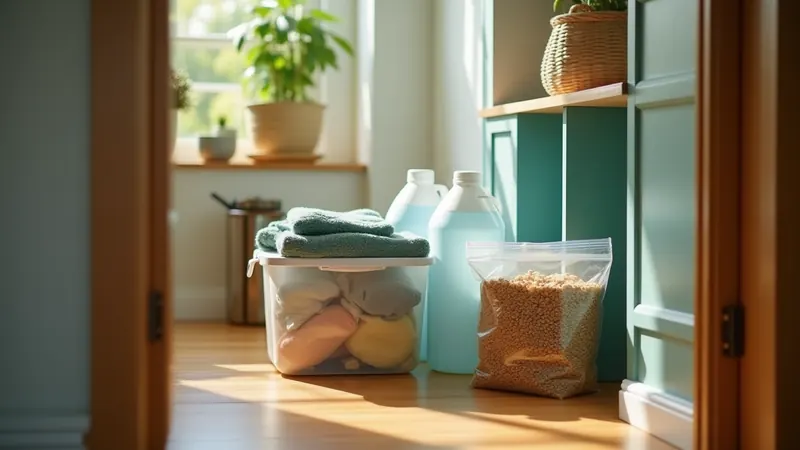
What goes in a 3-day emergency kit for a real family, and where to keep it.
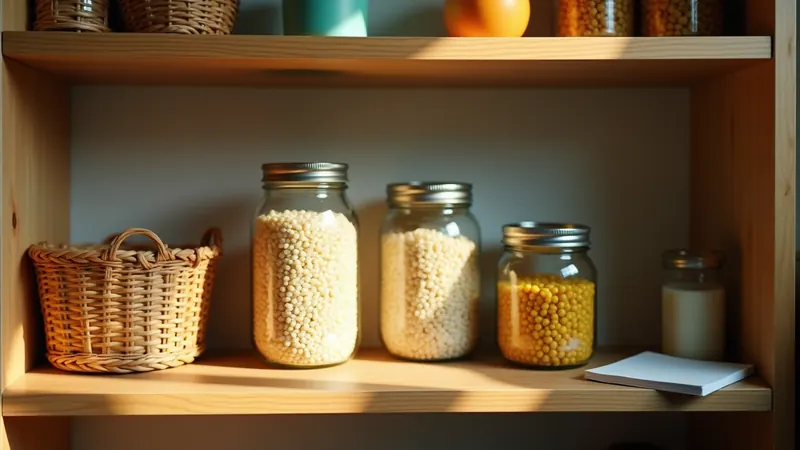
A 2-week shelf-stable food supply on a budget, with a rotation plan.
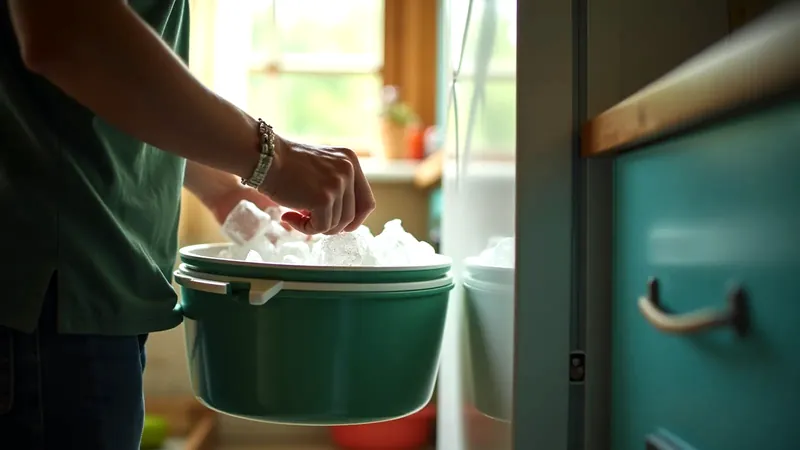
The 4-hour and 48-hour rules, and what to keep or toss.

Why trust it
Guides are drafted with AI assistance, then checked line by line against Ready.gov, FEMA, the CDC, EPA, USDA, the National Center for Home Food Preservation, the Red Cross and university extension services, all listed on each page. How we write
Real emergencies are storms, outages, floods and boil-water notices. Each guide tells you what to do about them, without scare stories or pressure to buy. About the site
Some gear links go to Amazon and a reviewed product's link may earn a commission; every one is labeled. Nobody pays for a mention, and we never claim to have used a product we haven't. Affiliate disclosure
Never run a generator, grill or camp stove indoors or in a garage: carbon monoxide can kill in minutes, so keep a battery CO alarm and get outside if it sounds. Low-acid foods like vegetables and meat must be pressure canned with a tested recipe. In an emergency, call 911. Every guide on this site says when a situation needs more than a guide.