
Power Outages
Power outages: start here
Most outages are short, but the ones that last a day or two are the ones that catch households out: a warming fridge, no light, no heat, and on a well, no water. These guides take you through it in order.
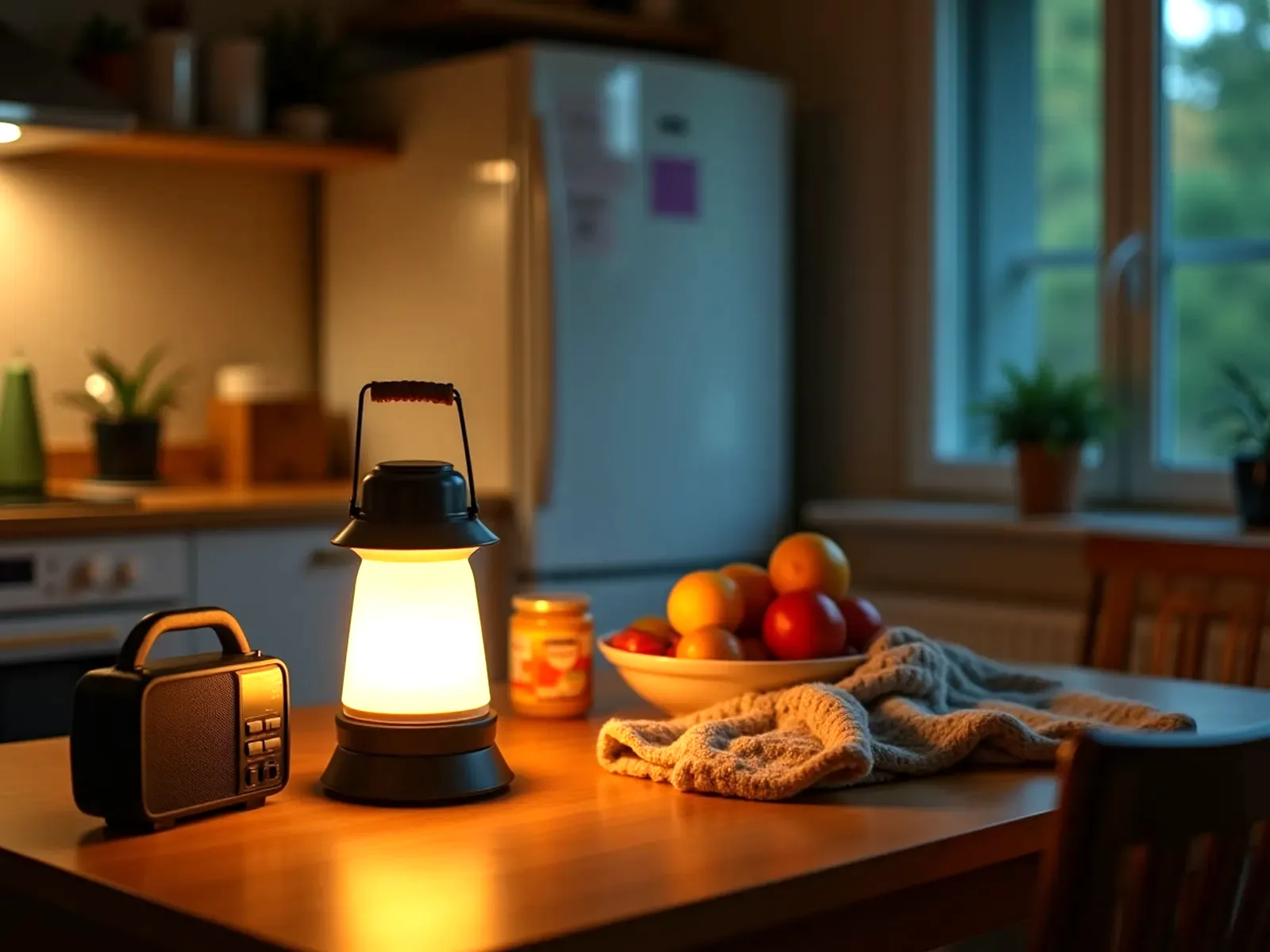
The three rules that matter most
Ready.gov, the CDC and the Red Cross agree on the essentials. Keep the fridge and freezer closed, because closed doors are what keep food cold. Use flashlights rather than candles. And never run a generator, grill, camp stove or fuel heater indoors or in a garage, because carbon monoxide has no smell and can kill. Everything else on this path builds on those three.
If you only do four things before the next outage
- Put a battery carbon monoxide alarm on each floor of your home, near the bedrooms, and test it.
- Keep flashlights or headlamps, spare batteries and a battery or hand-crank radio in one known place.
- Put an appliance thermometer in your fridge and freezer so you can check the temperature instead of guessing.
- Store water for at least 3 days, especially if your home is on a well with an electric pump.
Before, during and after
| Stage | Focus | Guide |
|---|---|---|
| Before | A kit with light, a radio, power banks and batteries; a CO alarm; a plan for medical devices | Power outage survival kit |
| During | Report the outage, stay away from downed lines, unplug electronics, keep doors closed, cook safely | What to do during a power outage |
| Hours 4 and 48 | The fridge and freezer limits: what to keep, what to toss, what can be refrozen | Fridge and freezer food safety |
| After | Check food temperatures, restock the kit, note what you wished you had | 72-hour kit checklist |
Read these in this order
- 1
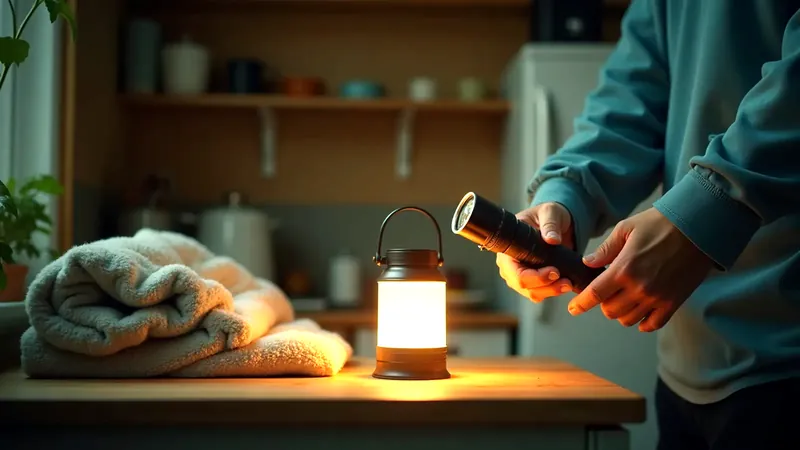
What to Do During a Power Outage
Before, during and after: a calm checklist with generator safety.
- 2
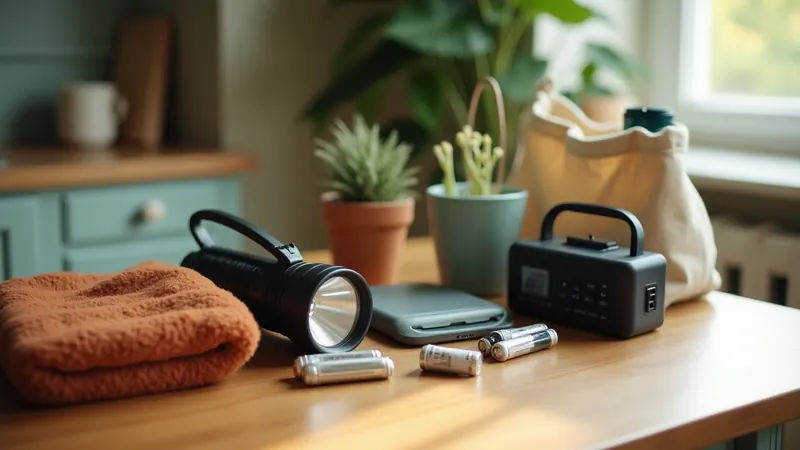
Power Outage Kit Checklist
Light, power, information and comfort for a multi-day outage.
- 3
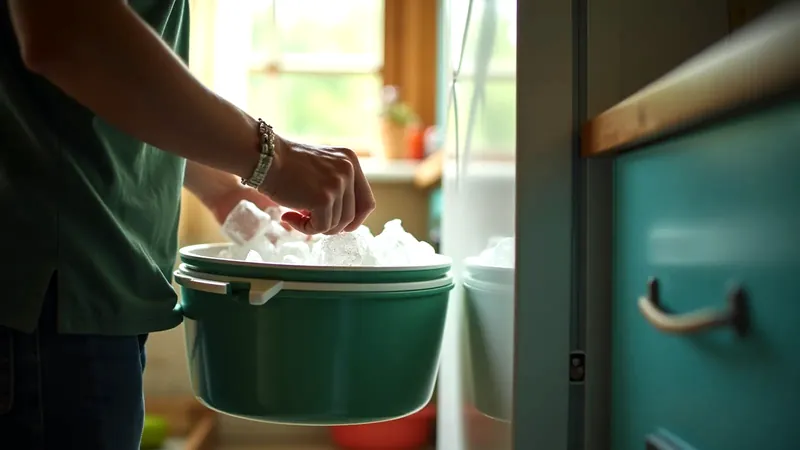
How Long Is Food Good in the Fridge Without Power?
The 4-hour and 48-hour rules, and what to keep or toss.
- 4
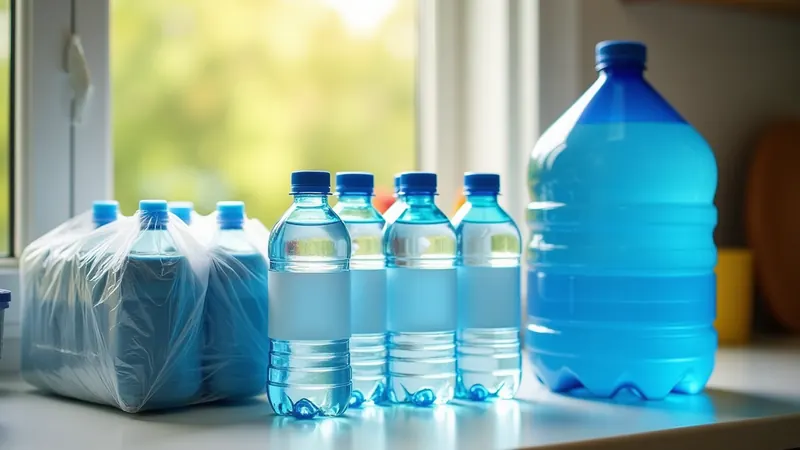
Emergency Water Storage
How much water per person, how to store it and when to rotate it.
- 5
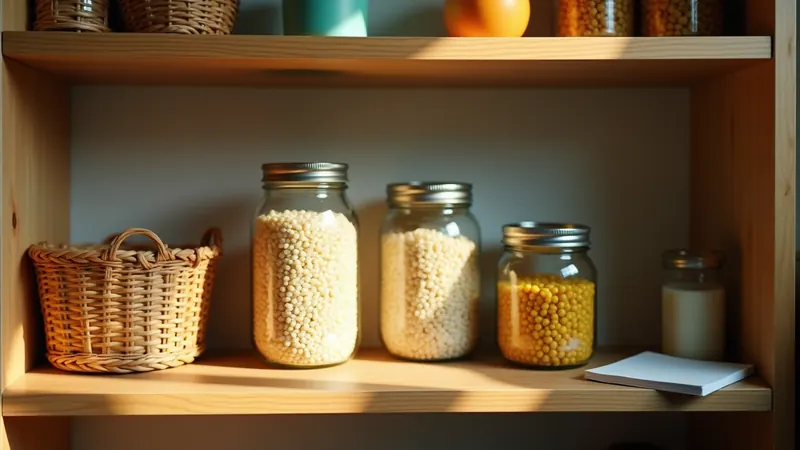
Emergency Food Supply List
A 2-week shelf-stable food supply on a budget, with a rotation plan.
Get help right away if
A carbon monoxide alarm sounds, or anyone feels dizzy, sick or confused while a generator or fuel appliance is running: get everyone outside into fresh air, then call 911. Stay well away from downed power lines and report them to your utility. Never connect a generator to your home's wiring unless a licensed electrician has installed a transfer switch, because power fed back into the lines can kill utility workers. If someone depends on powered medical equipment, talk to their provider and your utility about a backup plan before an outage.
Building your kit at the same time? The kits and plans path covers a 72-hour kit, a family plan and your pets.
Next: food and water that don't need power.
The food and water path covers storing water, a 2-week shelf-stable food supply on a budget, and safe ways to preserve and grow food.