
Kits & Plans
Emergency kits and plans: start here
You don't have to buy everything this weekend. A kit is built over a few grocery trips, and a plan takes one evening at the kitchen table. These guides are in the order most households need them.
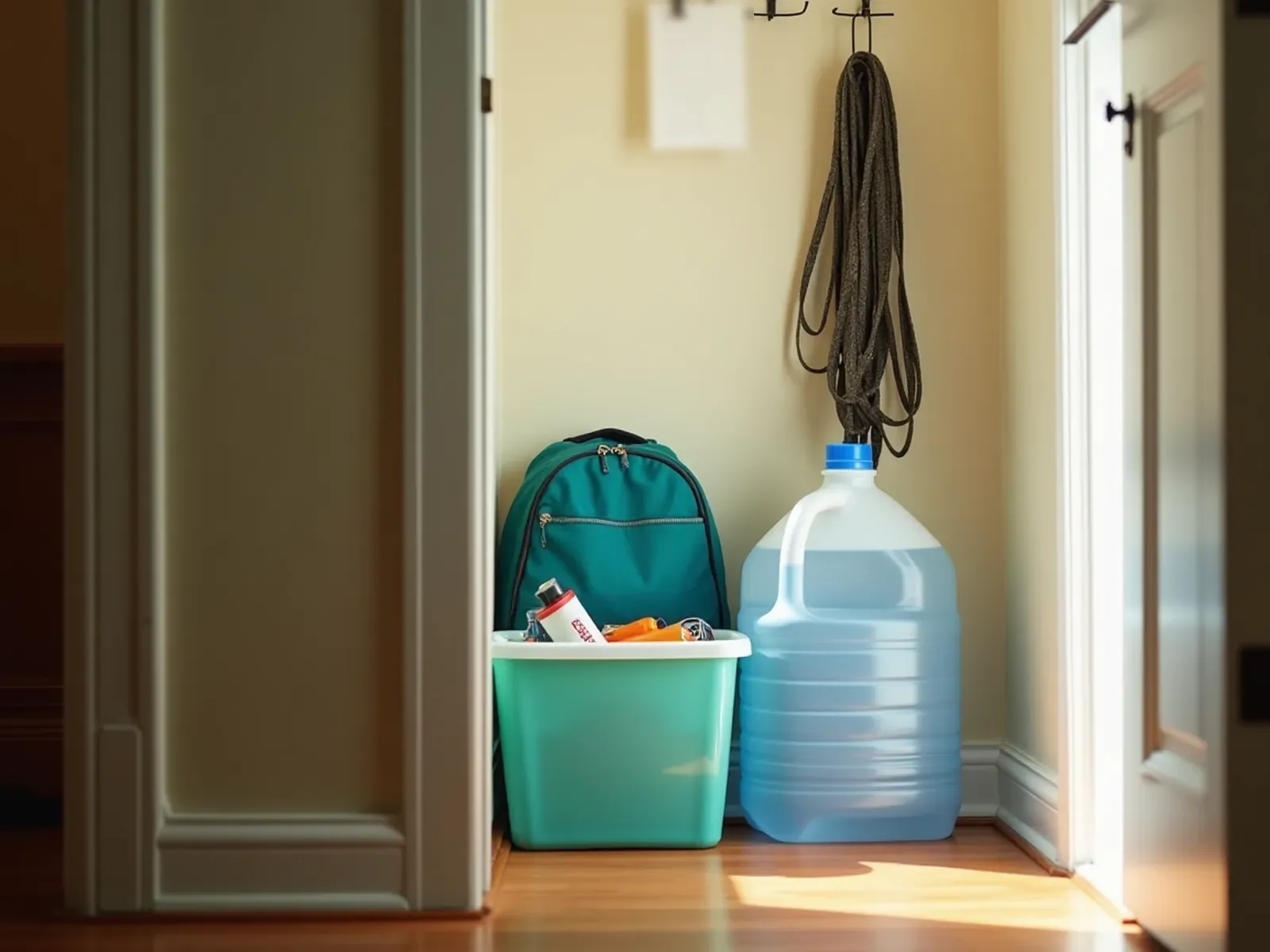
Your first-week priorities
Ready.gov's advice comes down to three jobs: be informed about the hazards where you live, make a plan, and build a kit. The plan matters as much as the kit, because in a real emergency the hardest questions are "where do we meet?" and "who do we call?", not "do we have enough granola bars?". Start with water and a plan, then fill in the kit a little at a time.
If you only do four things this week
- Set aside water: at least 1 gallon per person per day for at least 3 days, more if you can.
- Agree on two meeting places (one near home, one outside the neighborhood) and one out-of-area contact.
- Put a flashlight, a battery or hand-crank radio, spare batteries and a manual can opener in one place.
- Write down medications, pet needs and important phone numbers, and keep a copy in the kit.
What the first month usually looks like
| When | Focus | Guide |
|---|---|---|
| Evening 1 | A family plan: meeting places, an out-of-area contact, who picks up the kids | Family emergency plan |
| Week 1 | Water for 3 days, a flashlight, a radio and the start of a 3-day kit | 72-hour kit checklist |
| Week 2 | Your pet's food, water, records, leash or carrier, and a pet-friendly place to stay | Pet emergency kit |
| Weeks 3-4 | Light, power and information for a multi-day outage; a battery CO alarm | Power outage survival kit |
Read these in this order
- 1

Family Emergency Plan
Meeting places, contacts and documents, made in one evening.
- 2
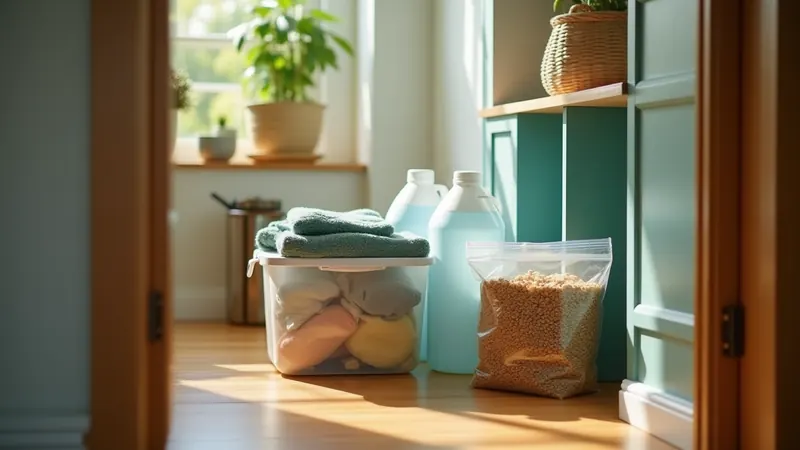
72-Hour Kit Checklist
What goes in a 3-day emergency kit for a real family, and where to keep it.
- 3
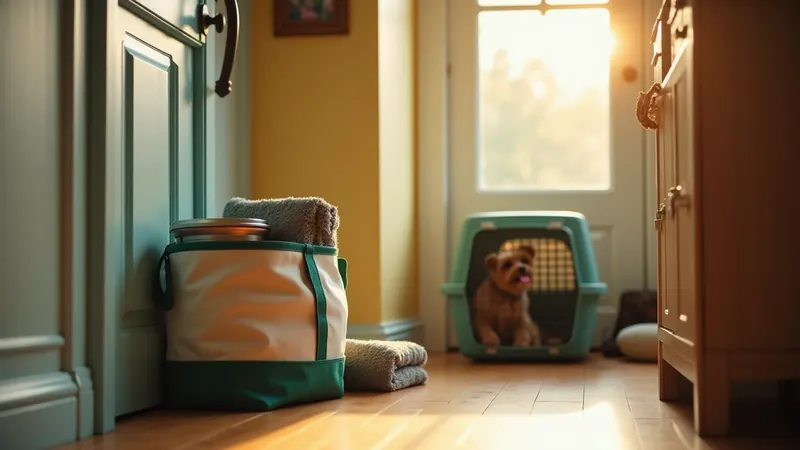
Pet Emergency Kit
Food, water, records and a carrier for dogs and cats, plus an evacuation plan.
- 4
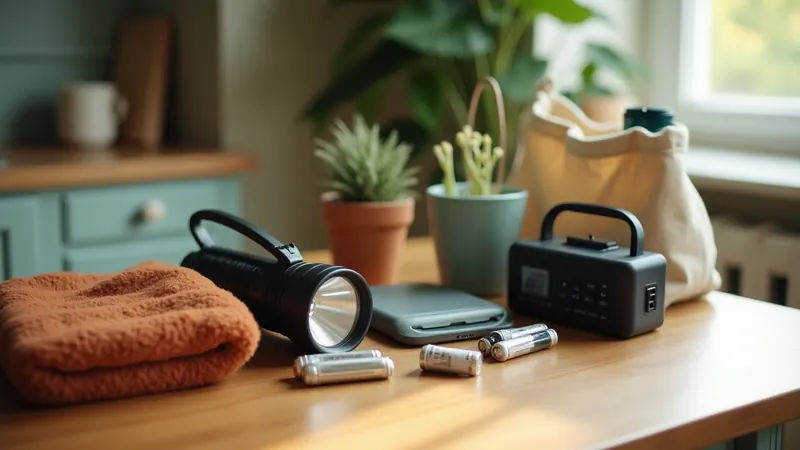
Power Outage Kit Checklist
Light, power, information and comfort for a multi-day outage.
- 5
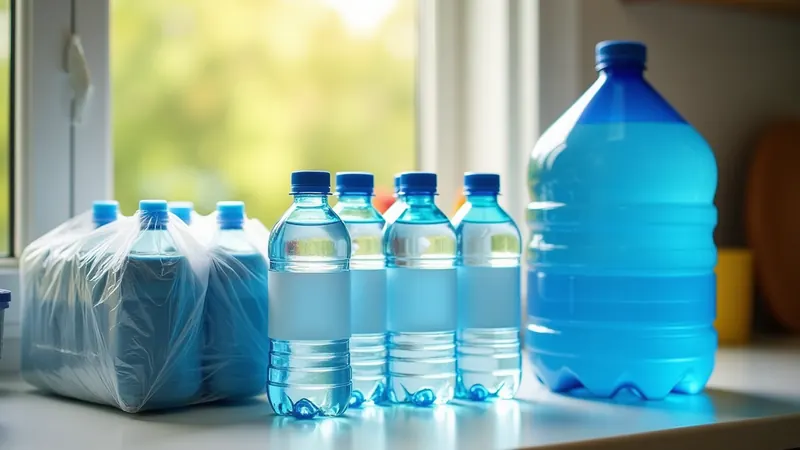
Emergency Water Storage
How much water per person, how to store it and when to rotate it.
When a kit isn't the answer
If you are told to evacuate, go: follow the instructions of local officials and take your kit and pets with you. In an emergency, call 911. For local hazards, shelters and alert sign-ups, contact your city or county emergency management office, which you can find through Ready.gov. If someone in your home depends on powered medical equipment or regular medication, plan with their health care provider and your utility before you need to.
Next, when the basics are in place: a 2-week food supply on a budget, what to do during a power outage and choosing water storage containers.
Kit packed? Get ready for the next outage.
The power outage path covers what to do before, during and after an outage, keeping fridge food safe, and generator safety.