
Food & Water
Food and water: store it, preserve it, grow it
Water first, then food you already eat, then the slower skills: canning safely, keeping vegetables cool and growing a little of your own. Each guide sticks to tested, official methods, so nothing you store or preserve puts your family at risk.
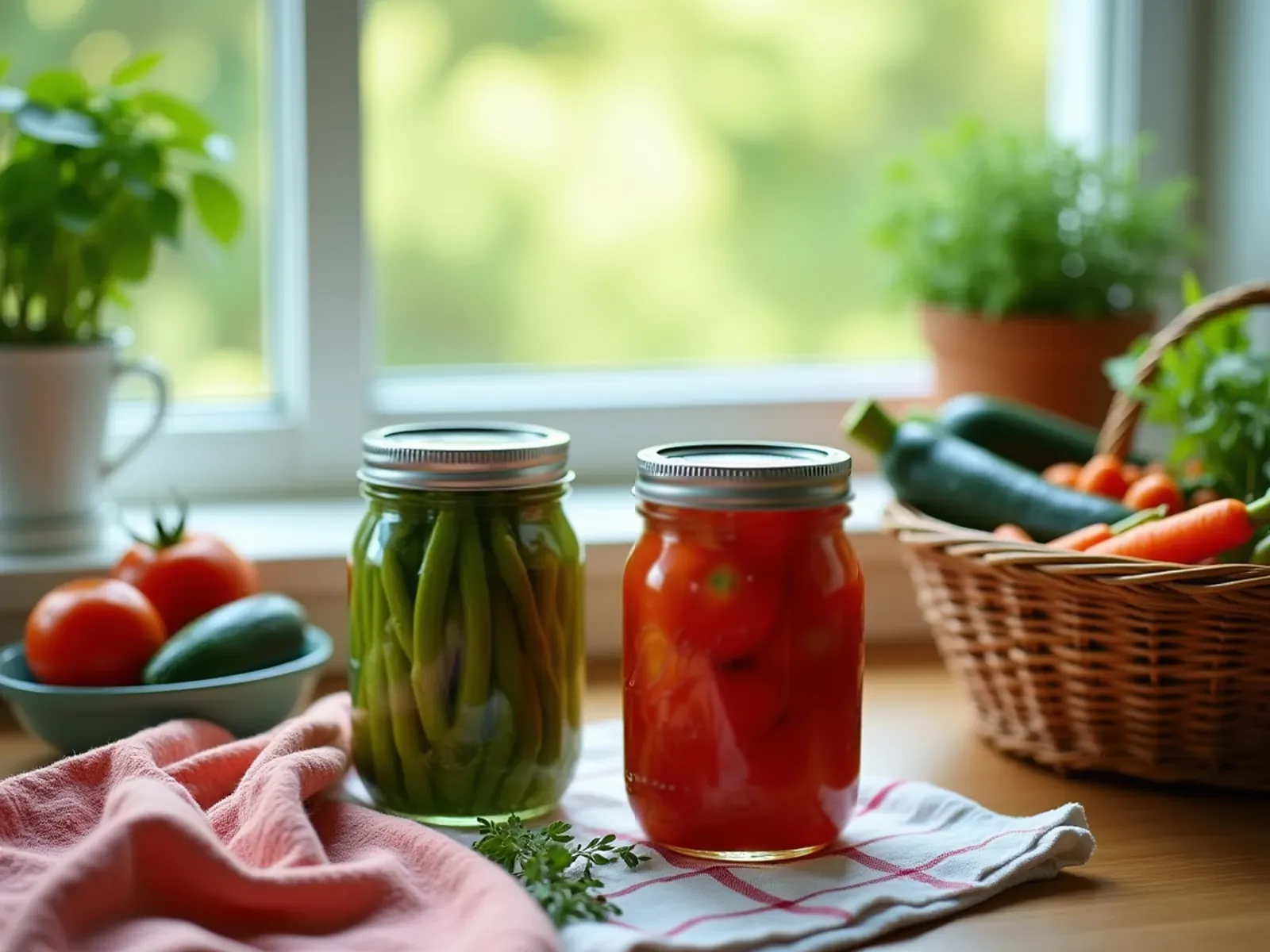
Store first, then preserve and grow
Stored water and shelf-stable food are what get a household through a storm, an outage or a boil-water notice, so start there. Canning, cool storage and gardening are worthwhile skills that stretch a budget and fill the pantry, but they have rules: home canning in particular has to follow tested methods, because a wrong method for low-acid food can allow botulism.
Four jobs for this month
- Store at least 1 gallon of water per person per day for at least 3 days, and aim for 2 weeks.
- Build a 2-week supply of shelf-stable food your family already eats, over several grocery trips.
- Label everything with the date and use the oldest first, so nothing quietly expires.
- Before you can anything, learn which foods need a pressure canner and use only tested recipes.
Find it by problem
| You want to | Start with |
|---|---|
| Know how much water to store and how | Emergency water storage, then water storage containers |
| Build a food supply on a budget | Emergency food supply list |
| Start canning safely | Water bath vs pressure canning, then pressure canning for beginners |
| Keep vegetables longer without a freezer | Root cellar basics |
| Grow some of your own food | Vegetable garden for beginners |
Do them in this order
- 1
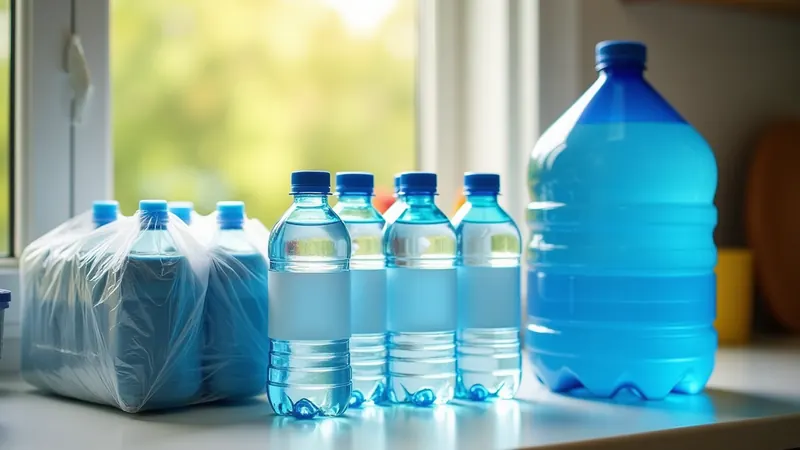
Emergency Water Storage
How much water per person, how to store it and when to rotate it.
- 2
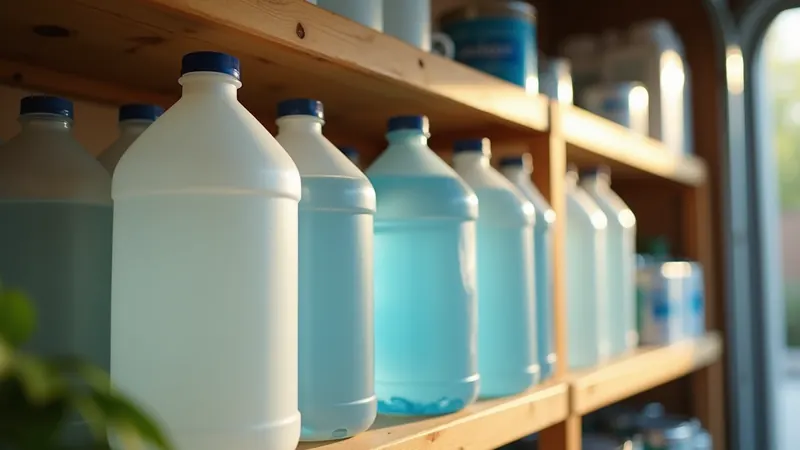
How to Choose Water Storage Containers
Food-grade jugs, bottles and barrels, and how to clean them.
- 3
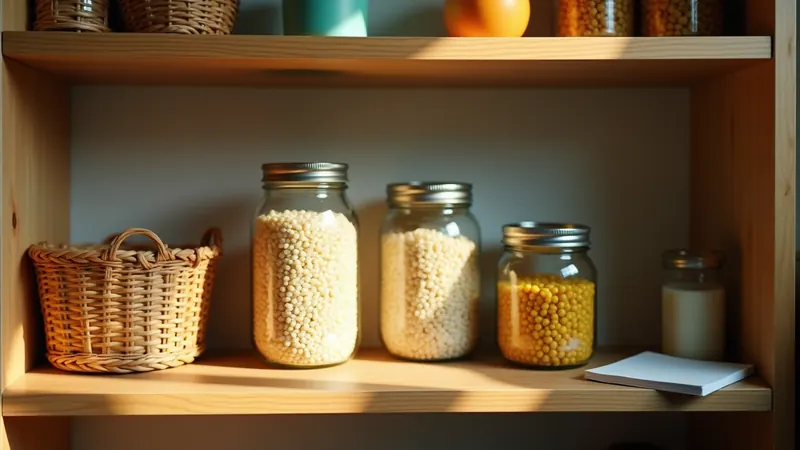
Emergency Food Supply List
A 2-week shelf-stable food supply on a budget, with a rotation plan.
- 4
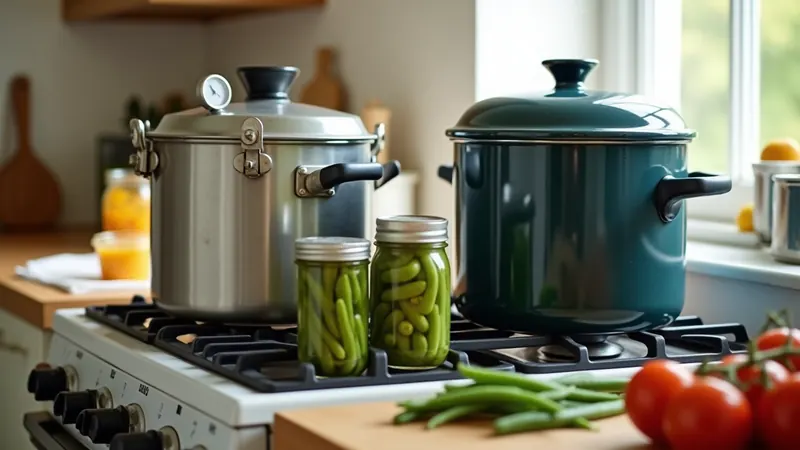
Water Bath Canning vs Pressure Canning
Which foods need which method, and why acidity decides.
- 5
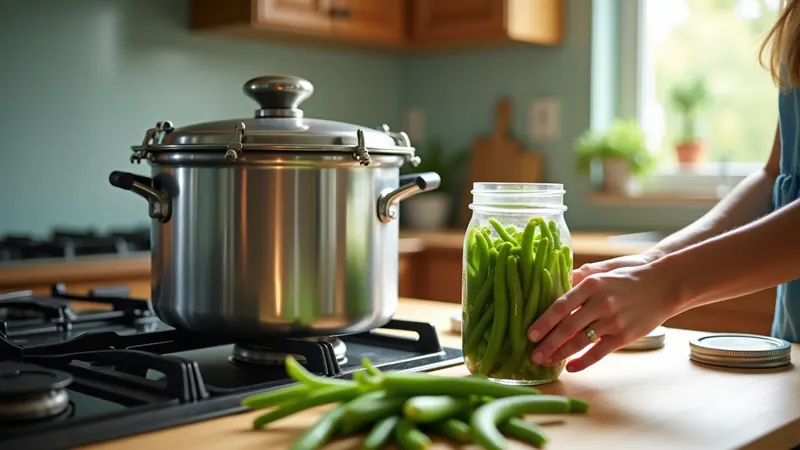
Pressure Canning for Beginners
A step-by-step first batch with a tested recipe, and botulism safety.
- 6
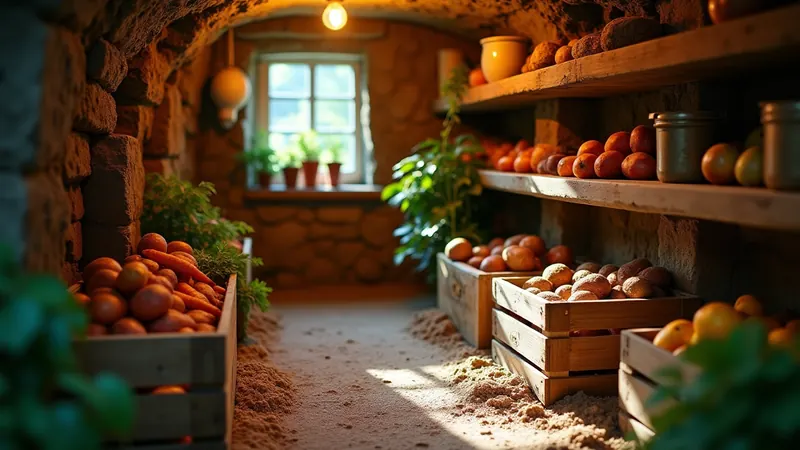
Root Cellar Basics
How root cellars keep food cool, and cool-storage options for any home.
- 7
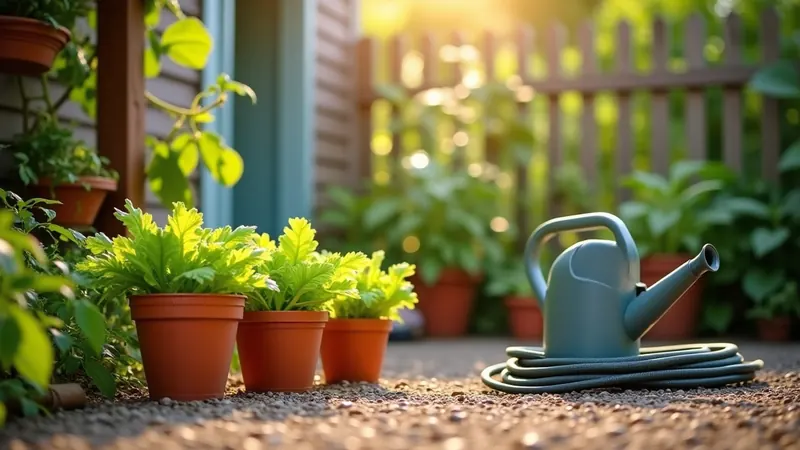
Vegetable Garden for Beginners
A small, sunny first garden: site, soil, easy crops and a calendar.
When to ask an expert
Your county's Cooperative Extension office answers home canning and garden questions and many offices can test pressure canner dial gauges. The National Center for Home Food Preservation publishes the tested methods. If a home-canned jar is bulging, leaking, spurting or smells off, don't taste it: follow the USDA's disposal steps. If anyone shows signs of food poisoning or botulism, such as blurred vision, drooping eyelids or difficulty swallowing, get emergency medical care.
After a power outage, check the fridge and freezer food safety guide before you cook anything that was in the fridge.
Have water and food? Make the plan.
The kits and plans path covers a 72-hour kit, a family emergency plan and your pets, so everyone knows what to do.