
Grow & Preserve
Vegetable garden for beginners: a small first garden, even with shade and a few pots
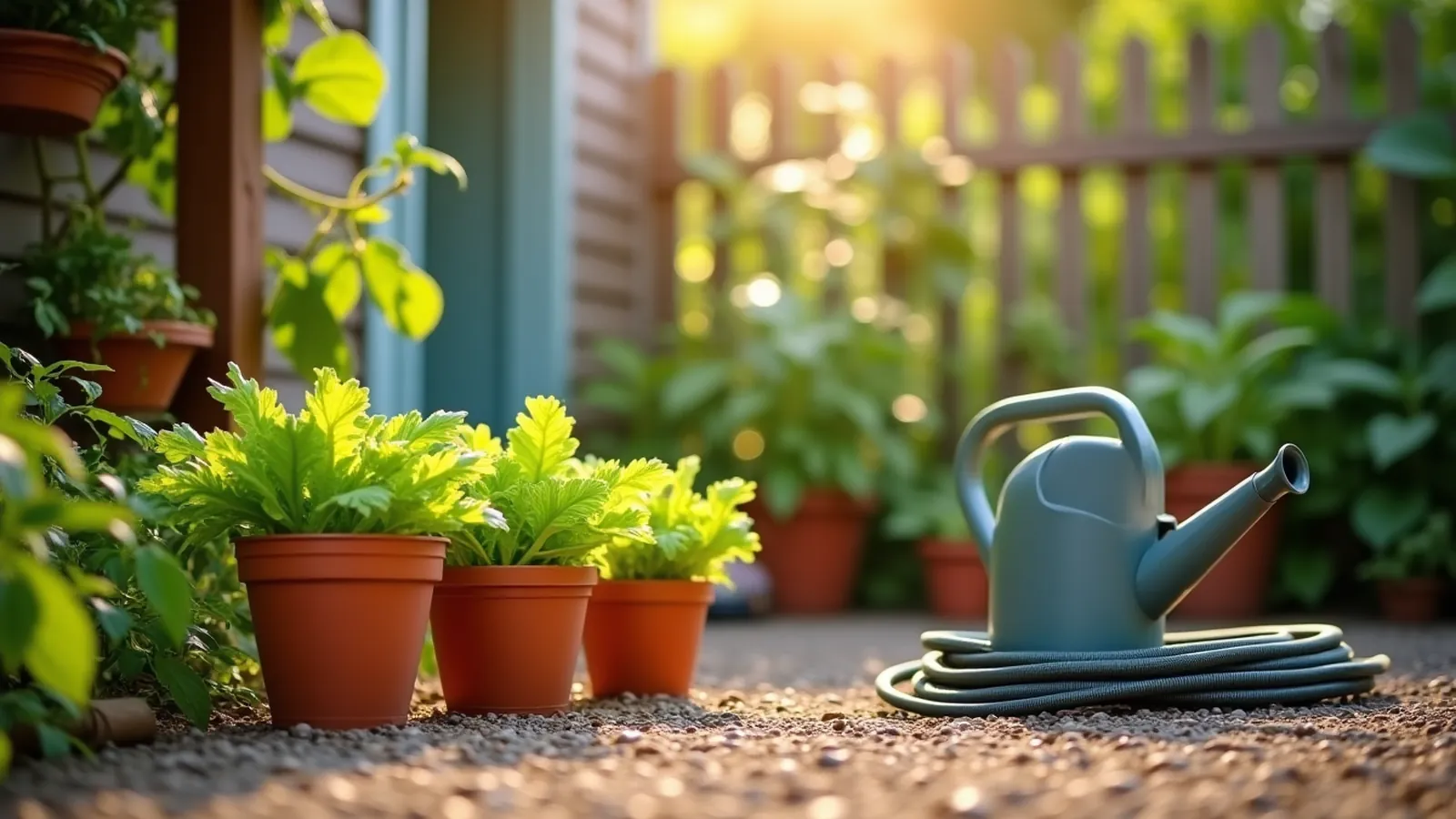
Start small, put fruiting crops in your sunniest spot and leafy greens in the partial shade. A handful of containers can keep salad greens coming all season.
On this page (13 sections)
- Vegetable garden for beginners, step one: map your sun
- A five-container plan for partial shade
- Soil and containers: set them up once
- Raised beds, if you want one
- Watering and mulch: a simple schedule
- Your first-season calendar
- Pests without risky chemicals
- Food-safety notes for the garden
- Troubleshooting
- When to get help
- Frequently asked questions
- Keep going
- Sources
If your yard is mostly shade and you only have room for a few containers, a vegetable garden for beginners can still work: grow leafy greens where you get 4 to 6 hours of direct sun, and save your sunniest spot for one or two fruiting crops such as a tomato. Iowa State University Extension says leafy greens can be grown in partial shade, while fruiting crops need more light; Oregon State University Extension puts tomatoes, green beans and peppers at 6 to 8 hours of direct sun a day.
The honest part: shade costs some harvest. Iowa State notes that in partial sun, plants take longer to produce, and that no vegetable is productive in full shade. But a few well-placed containers of greens can be picked again and again. This guide gives you a five-container plan for partial shade, soil and watering routines, a first-season calendar and low-risk ways to handle pests.
Key takeaways
- Fruiting crops need 6 to 8 hours of direct sun; leafy and root crops tolerate light shade (OSU Extension).
- With 4 to 6 hours of sun, grow lettuce, spinach, chard, kale, radishes and herbs (Iowa State Extension).
- Start small; buying transplants is the most successful start for a beginner (UGA).
- Use bagged potting mix in containers with drainage holes, never garden topsoil (OSU Extension).
- Check soil moisture often; containers may need water daily in summer (UMaine, OSU Extension).
- Get a soil test through your county Extension office before adding fertilizer or lime to a bed (UMN, UGA).
Vegetable garden for beginners, step one: map your sun
Sun decides what you can grow, so measure it before you buy anything. UC Master Gardeners say full sun means at least 6 to 8 hours a day and is best for all vegetables, that some root vegetables and leafy greens tolerate a bit of shade, and that fruiting crops such as tomatoes and corn need full sun. They also note that shadow patterns change with the seasons.
Check every few hours on a clear day
Note where direct sun falls on your yard, patio, porch or balcony at morning, midday and afternoon.
Add up the hours for each spot
6 or more is full sun; 4 to 6 is light shade; 2 to 4 is moderate shade (Iowa State's categories).
Match crops to spots
Use the table below. Leaf crops are more productive in part shade than crops that must flower and fruit (Iowa State).
| Sun per day | What to grow |
|---|---|
| 6 to 8 hours or more | Tomatoes, peppers, green beans and other fruiting crops (OSU); everything else does well here too |
| 4 to 6 hours (light shade) | Arugula, beets, bok choi, kale, lettuce, mustard greens, peas, radishes, spinach, Swiss chard; herbs such as basil, chives, cilantro, mint and parsley |
| 2 to 4 hours (moderate shade) | Bok choi, mustard greens, spinach; mint |
| Under 2 hours | None of the vegetables or herbs on Iowa State's lists |
The sources differ on beans: Iowa State lists beans for light shade, while Oregon State says green beans need 6 to 8 hours. In a 4 to 6 hour spot, expect a smaller bean harvest. If no spot gets enough sun, Iowa State suggests growing in a container and moving it into full sun.
A five-container plan for partial shade
This plan uses crops Iowa State lists for light shade and container sizes from the University of Maine and University of Wisconsin Extension. Wisconsin notes that arugula, kale, lettuce and spinach suit containers because they are easy to seed, can be harvested often and can be replanted through the season.
| Container | Crop | Size | How you harvest |
|---|---|---|---|
| 1 | Leaf lettuce | At least 2 gallons, 4 to 6 inches deep (Wisconsin), or a window box (UMaine) | Harvest regularly; reseed as needed (Wisconsin) |
| 2 | Spinach | At least 2 gallons, 4 to 6 inches deep (Wisconsin) | Harvest regularly |
| 3 | Swiss chard | A 5-gallon window box (UMaine) | Harvest over a long period (UC Master Gardeners) |
| 4 | Peas | At least 2 gallons (Wisconsin), or a 5-gallon bucket (UMaine), with a small trellis | Pick pods often |
| 5 | Radishes | At least 2 gallons; thin to 2 to 4 inches apart (Wisconsin) | Pull when ready; sow a new batch 2 to 4 weeks later (UC Master Gardeners) |
Add a 10-inch pot of parsley or chives if you like; Oregon State says 10-inch pots suit many herbs. If one spot gets full sun, a tomato or pepper in a 5-gallon container makes a good sixth pot (OSU).
Budget note
Containers don't have to be bought new. UMaine suggests buckets, dishpans, milk jugs or window boxes, and Oregon State lists bushel baskets, plastic tubs and wooden boxes. Each needs drainage. Greens and radishes grow easily from seed (Wisconsin); for tomatoes and peppers, UGA says buying established plants from a local nursery is the most successful start for beginners.
Soil and containers: set them up once
For containers, Oregon State recommends packaged potting soil or a composted container mix, which is light and drains well, and advises against topsoil or general "planting mix", which can be heavy and drain poorly. Give every container drainage holes; Oregon State suggests drilling them along the side about ½ inch from the bottom and raising pots on bricks or boards. Wisconsin adds: fill the whole container with mix and don't put rocks or pot shards in the bottom, which research shows slows drainage.
For an in-ground bed, UC Master Gardeners suggest loosening soil about 6 to 10 inches deep when it is moist but not wet, then mixing 2 to 4 inches of compost into the top foot the first time, and about 1 inch more each year.
Test before you fertilize. University of Minnesota Extension says a soil test tells you whether you need lime, nitrogen, phosphorus or potassium. Your county Cooperative Extension office can arrange one, often for a small fee (UGA).
Raised beds, if you want one
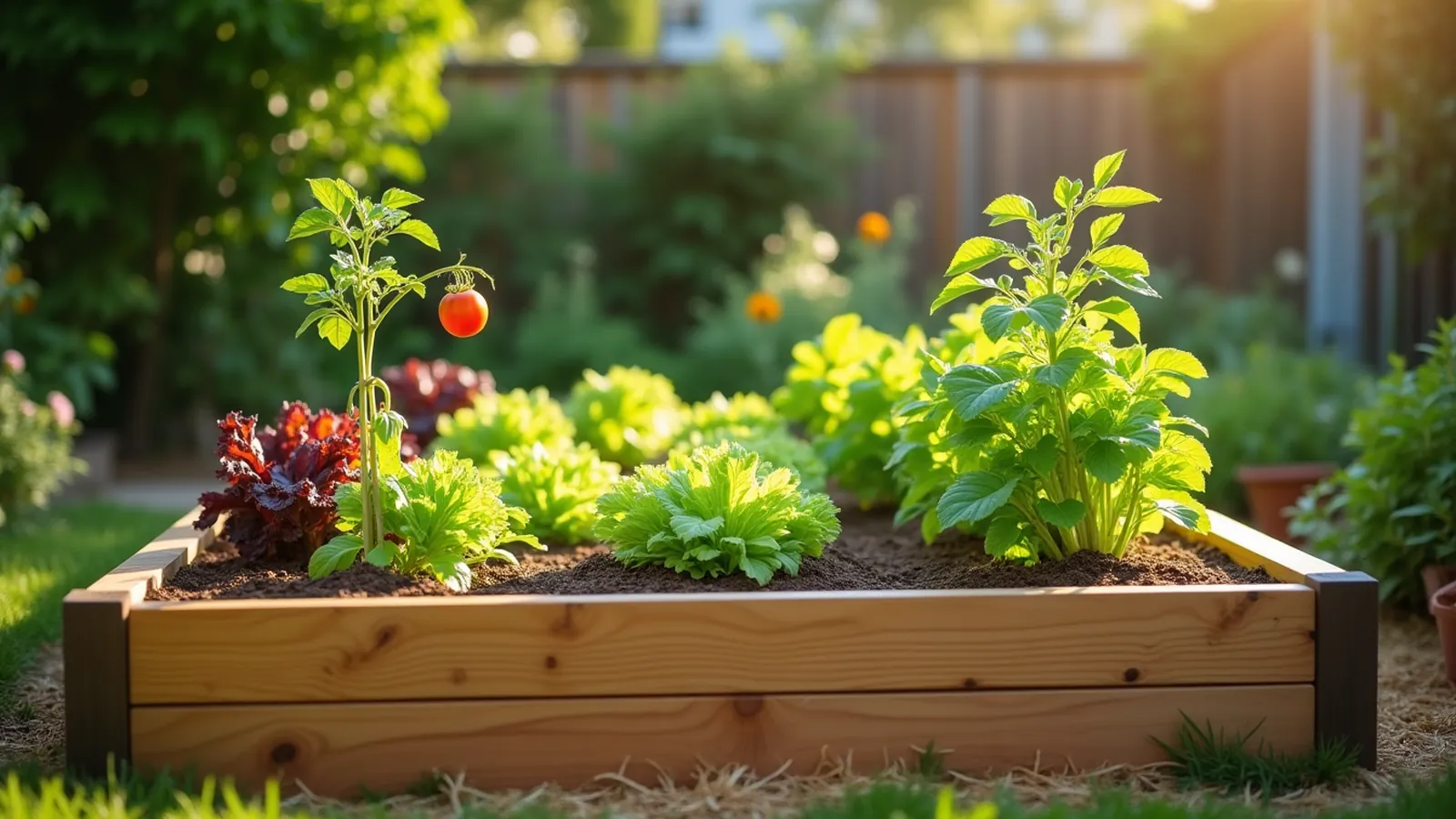
UC Master Gardeners list the benefits of raised beds: easier gardening, better drainage, soil that warms sooner in spring, no compaction from walking on it, and water kept on the plants. Their guidelines:
- Width of no more than 3 to 4 feet so you can reach the middle; as narrow as 12 inches if space is tight.
- Fill with one-third to one-half native soil and the rest compost or other organic material, or a mix sold for vegetable beds.
- Redwood and cedar resist rot; composite decking also works. Avoid wood with old paint, which might add lead to the soil.
- If gophers are a problem, staple ½-inch hardware cloth under the bed before filling it.
On pressure-treated lumber, Oregon State Extension says the main concern was arsenic in older CCA-treated wood, whose use the EPA restricted in 2004, and that newer treatments such as ACQ contain no arsenic. It notes that treatment chemicals do leach into soil and plants in very small amounts. If you would rather avoid the question, choose untreated rot-resistant wood.
Watering and mulch: a simple schedule
UC Master Gardeners say soil should stay evenly moist, without swinging between wet and dry. Test it with your finger: dig 1 to 3 inches down for small plants and 6 to 8 inches for larger ones such as tomatoes. If the soil at the bottom is dry, water.
| Where | How much and how often |
|---|---|
| Newly sown seeds | Gentle water once or more a day until seedlings are up and growing (UC Master Gardeners) |
| In-ground bed | About 1 inch a week, including rain; a rain gauge helps you measure (UGA) |
| Containers | Check daily; water when the mix feels dry, until water runs from the drainage holes. Daily watering is not unusual in summer (OSU) |
Oregon State says container vegetables need regular fertilization. It suggests a soluble all-purpose fertilizer at half the label strength every 3 to 4 days, while UMaine suggests a balanced water-soluble fertilizer every other week in summer; whichever you choose, follow its label.
For beds, a layer of mulch such as straw or unsifted compost on top of the soil helps keep moisture in and weeds down, and protects the soil from hard sun and rain (UC Master Gardeners).
Your first-season calendar
Timing depends on your local frost dates, so look them up through your county Extension office first. University of Minnesota Extension calls soil temperature the best indicator of when to plant; you can buy a soil thermometer or check local soil temperature reports.
Late winter: plan and gather
Map your sun, choose crops your family will eat, find containers and order a soil test.
4 to 6 weeks before planting out
If you start your own transplants, sow them indoors now (UC Master Gardeners), or plan to buy them.
Early spring, soil 40 to 50°F
Sow peas, spinach, lettuce and radishes directly (UMN).
After the last frost, soil 50 to 60°F
Transplant tomatoes, peppers, summer squash and basil (UMN). Harden seedlings off first by giving them gradually more time outdoors (UC Master Gardeners).
Every 2 to 4 weeks
Sow another small batch of radishes or greens for a steady harvest (UC Master Gardeners).
Late summer
Replant emptied containers with late-summer and fall vegetables (OSU); UMN gives August as a second sowing time for leaf lettuce and radishes in Minnesota.
A household's backyard is shaded by trees, but the patio gets about 5 hours of morning sun. In early spring they fill two window boxes with potting mix and sow lettuce and spinach, plant chard and kale in two 5-gallon buckets with holes drilled near the bottom, and sow radishes in a dishpan. They check the mix with a finger each evening and water when it is dry. A single tomato transplant goes in a 5-gallon bucket by the sunny front steps after the last frost. Radishes are resown twice, and the greens are picked through early summer.
Pests without risky chemicals
UC Master Gardeners recommend Integrated Pest Management: healthy plants first, then the least damaging, least toxic methods.
- Look at your plants often so you notice pests early, then identify the pest before acting.
- Pull weeds by hand while they are small, and mulch to keep new ones down.
- Cover seedlings with a lightweight floating row cover to keep out insects such as flea beetles and to stop birds; remove it for crops that need insect pollination.
- Accept some damage: home-grown vegetables don't need to look grocery-store perfect.
If you are ever considering a pesticide, ask your county Extension office about the problem first, and follow the product label exactly.
Food-safety notes for the garden
- Wash vegetables before you eat them (UMaine).
- Use only well-rotted or composted manure, worked into the bed several weeks before planting (UC Master Gardeners).
- Clean reused pots that held diseased plants: Wisconsin suggests rinsing, soaking 30 minutes in 10% bleach and rinsing again.
- Skip old painted wood for beds (UC Master Gardeners) and read the treated-lumber note above.
When the harvest is bigger than you can eat, read the root cellar guide and the water bath vs pressure canning guide next.
Troubleshooting
- If plants are slow to produce
- They likely need more light; Iowa State notes that crops take longer in partial sun. Move containers to a sunnier spot, or switch that spot to leafy greens (Iowa State).
- If container plants wilt by afternoon
- Check the mix daily and water until it drains; containers on concrete in full sun dry out quickly (OSU).
- If water pools on top of a pot
- Add or open drainage holes, raise the pot on bricks, and use potting mix, not topsoil (OSU).
- If seeds didn't come up
- Keep the soil moist until germination (UC Master Gardeners), and check the soil temperature for that crop (UMN). Then resow.
When to get help
Call for help if
- You can't identify a pest or disease: your county Extension office or Master Gardener help desk can help.
- You need your local frost dates or a soil test: ask your county Extension office.
- You plan to dig a new bed: have buried utility lines marked first.
Who to ask. In an emergency, call 911. If a carbon monoxide alarm sounds or anyone feels dizzy, sick or confused, get everyone outside into fresh air first, then call 911. For local hazards, shelters and alerts, contact your city or county emergency management office (start at Ready.gov). For home canning and garden questions, your county Cooperative Extension office can help (see the USDA Cooperative Extension System page), and the National Center for Home Food Preservation publishes tested canning methods. For a pet's health, call your veterinarian.
Frequently asked questions
What is the easiest vegetable to grow for beginners?
Fast, forgiving crops are the easiest. University of Wisconsin Extension calls greens, radishes, bush beans and cilantro fast-growing vegetables you can grow from seed, and UGA advises beginners to start small and buy established transplants for crops such as tomatoes. Grow what your family will actually eat.
What vegetables grow best in pots?
Oregon State Extension lists lettuce, herbs, tomatoes, peppers, eggplant, carrots, beans, squash, radishes, kale, chard and spinach. Wisconsin adds that compact, dwarf and determinate varieties often work best, and that small crops need at least 2 gallons of mix while tomatoes and peppers need at least 5.
Can I grow vegetables in a shady yard?
In partial shade, yes, with leafy crops. Iowa State Extension says areas with 4 to 6 hours of direct sun can grow some edibles with moderate success, mostly leaf crops, and that no vegetable will be productive in full shade. Containers let you move plants into whatever sun you have.
How big should a first vegetable garden be?
Small. UGA's advice to beginners is that smaller is better, even just a few potted tomato plants. A few containers or one bed you can reach from both sides is easy to water and weed, and you can add more next season.
Sources
- Growing Edible Plants in Shady Areas, Iowa State University Extension and Outreach (accessed October 28, 2026).
- No yard? Grow vegetables in containers, Oregon State University Extension Service (accessed October 28, 2026).
- Growing Vegetables in Containers, University of Wisconsin-Madison Extension (accessed October 28, 2026).
- Bulletin #2762, Container Gardening Series: Growing Vegetables in Container Gardens, University of Maine Cooperative Extension (accessed October 28, 2026).
- Vegetable Gardening Basics, UC Master Gardeners of Santa Clara County, UC Agriculture and Natural Resources (accessed October 28, 2026).
- Planting the vegetable garden, University of Minnesota Extension (accessed October 28, 2026).
- Beginner's guide: grow your own vegetable garden, University of Georgia College of Agricultural and Environmental Sciences (accessed October 28, 2026).
- Raised bed lumber, pressure treated safe?, Oregon State University Extension Service (accessed October 28, 2026).
Grow, store and preserve, in order
The Food and Water start-here page puts a first garden next to cool storage, safe canning and your water and food supply.